





Thinking about removing your gas supply? Here's some advice! Tutorial
Updated on 30/04/2026 by Ben_OVO
Removing a gas meter and gas supply - your guide
Times change, and sometimes your needs do too. While you might have relied heavily on gas in the past, perhaps you no longer use it and have decided to switch entirely to electric. But what comes next? 
First and foremost, we strongly recommend that you think this through very carefully before making any firm decisions. While it's easy to change your mind and backtrack when you haven't made any changes yet, once you commit and reach the point of no return, it becomes much harder to reverse your decision. To assist you, here are some helpful tips.
Why might I want to remove my gas supply?
Gas has long been a popular choice for both heating and cooking, primarily because it provides instant heat and tends to have a lower unit cost compared to electricity. However, the landscape is changing. New technologies are making electric heating and cooking more affordable and convenient, while gas options stay largely unchanged.
If you've switched from a gas oven to a fan oven and replaced your gas hob with an induction cooktop, your energy load may have significantly shifted. You might have even opted for underfloor heating. If you've converted entirely to electric appliances and no longer use gas at all, it may not be worth keeping the gas supply connected, especially if you're paying standing charges on gas.
Can I leave the gas supply connected but just not use any instead?
Absolutely. This is a great option if you might use it again in the future, and the best part is that you won’t be charged for any gas you don’t use. If the meter dials aren’t spinning, your bills will stay nice and low.
Just a heads up, you’ll still need to pay the standing charges and keep an account with a supplier since you have the flexibility to use gas whenever you want. The good news is that if you decide you want to switch back to gas later, you can do that.
I’ve already removed all my gas appliances and my heating no longer uses gas. Since I don’t ever plan to use gas again, is it worth removing my gas supply?
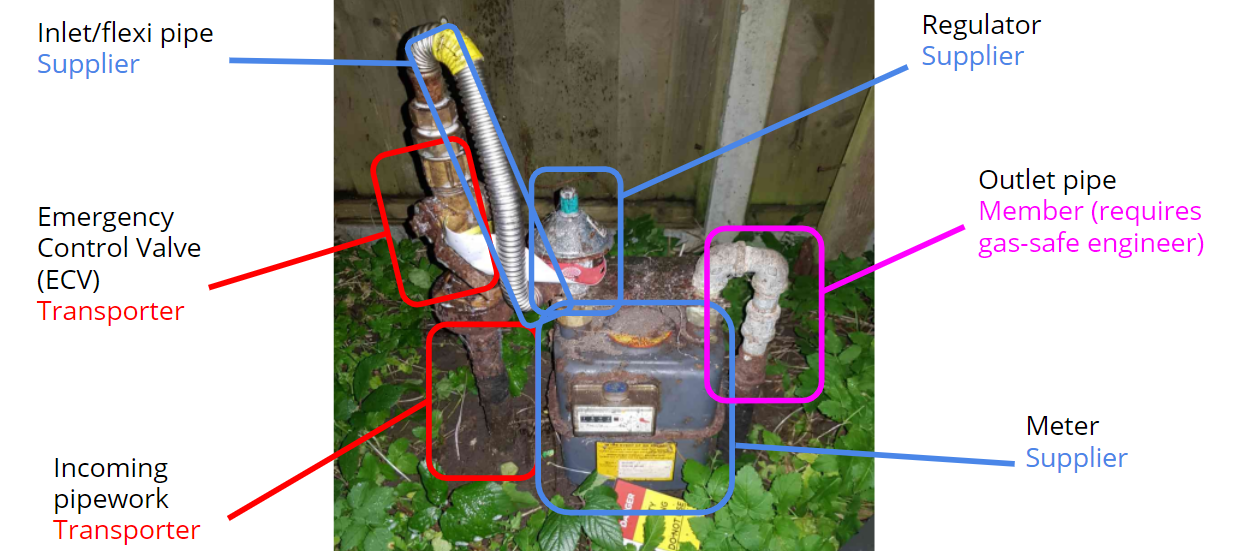
While removing the meter and getting your gas supply disconnected might seem a bit pricey at first, it will help you close your gas account for good. Once you settle the final bill for the removed supply, you won’t have to worry about any more gas bills. Plus, your supplier will take care of decommissioning the Meter Point Reference Number (MPRN) with Xoserve, so other suppliers will know that you no longer have a gas meter. This means those pesky standing charges will stop too.
What would the disconnection cost?
The exact charges may differ based on your supplier and any fees from your Gas Transporter. However, you can check the current rates OVO charges in the jobs list below.
The job includes disconnecting and removing the meter, capping off the supply, and ensuring everything is disposed of safely and environmentally friendly. All those administrative tasks are taken care of for you, too!
Just a heads-up, though: this job doesn’t include removing any internal pipework or getting rid of old appliances. If you’d like those things handled as well, we recommend reaching out to a friendly local Gas Safe Registered Engineer. They can assist you with that in a separate job, and you could even schedule it for the same day, as long as the meter is removed first.
Also, just a quick reminder: only your active Gas Supplier is allowed to remove the meter, so they’ll need to take care of that part.
Will my electricity bill go up?
It’s possible, but it depends on whether you’re already using electricity instead of gas. Since your circumstances play a significant role, it’s difficult to provide a general answer. Please feel free to create a thread to ask for advice, and we’ll be happy to help you.
If I changed my mind later, can I get the supply restored?
Yes, this is usually possible. If you haven't requested disconnection yet, you can simply leave things as they are. However, if you have already had the meter removed and the supply disconnected, you will need to pay for reconnection, which can be a lengthy process. I recommend seeking advice on the forum before proceeding; we’re always here to help, free of charge.
You may also need to have any pipework reinstalled and appliances reconnected. It’s best to have this done by a Gas Safe Registered Engineer.
Ok, so I’ve made up my mind and I want to go ahead. Who do I contact?
Your supplier is generally the first port of call. If you’re with OVO, you can reach the Support Team in the link provided below. You’ll want to let them know that you’d like to disconnect a gas supply and remove the meter.
Do I still need to pay my gas bills?
Yes, technically that’s correct. However, further charges will not be applied to your account after the disconnection process is completed, except for the final bill or statement. Once this final bill is paid, your gas account will be closed, and no additional payments will be required.
Please note that you will still be responsible for any outstanding debit balances or debts. Paying those off will also clear them from your account.
Can I just do this myself instead of asking my supplier/DNO?
For various legal and safety reasons, this is not something you can handle as a DIY project. Additionally, if your supplier is unaware that you have removed the meter, they would continue charging you for a phantom supply. Furthermore, you could also be investigated for tampering, which is not worth the potential complications. You can read more about this on the OFGEM energy theft and tampering page.
I’m still unsure, can I get some advice?
Sure! This forum is ideal and we’re open to everyone, OVO member or otherwise. We don’t charge anything for the advice that we offer here.
Why has my gas transporter contacted me after my meter removal?
Whilst you don’t need to notify your gas transporter in advance they may get in touch with you in the 6-12 months following your meter removal to check you no longer require a supply. This removes your listing from the national gas database.
Need more help?
This topic is now closed, so you won’t be able to reply here. If your question hasn’t been answered or you need more advice, feel free to ask the community — we’re here to help!
Give us your feedback!
Was this article helpful? Is our Library missing content? Share your anonymous feedback here and help us improve!