



Question

Direct DEbit Query - doesnt seme to take into account changes in energy usage

  • March 30, 2026
  • 6 replies
  • 48 views

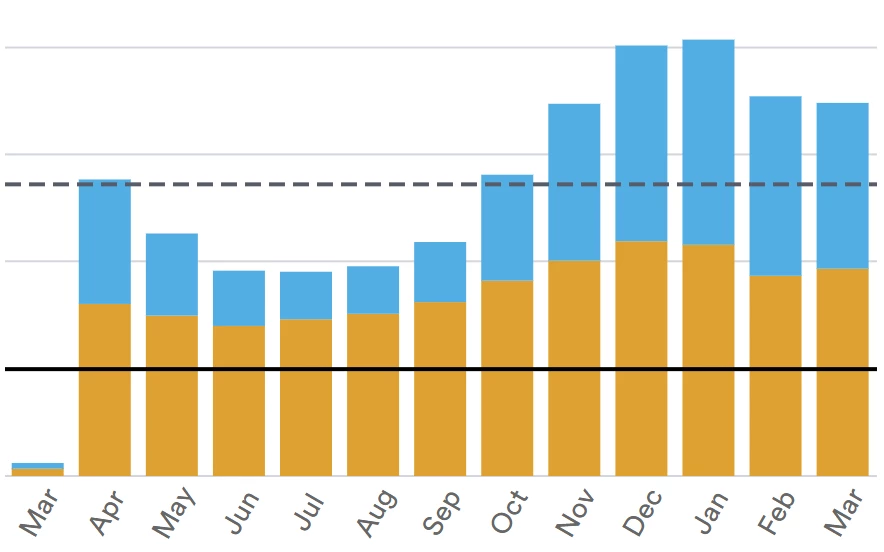
So my direct debit suggestion has decided I should pay £140 per month (it was suggesting £5 in March) and looking at the ‘Costs’ the calculation it uses doesnt seem to take into account any changes in usage.

So its suggesting I will be paying over £70 per month for electricity for the rest of the year despite having spent less than £5 in March.

We had solar panels installed in December so our usage for Dec - March are unsurprisingly alot lower but the direct debit suggestion doesnt seem to take that into account. 

I also dont understand why if I want to increase the amount I have to increase it to the minimum suggested amount - its sad that it thinks the machine calculation knows better than the person whos using / paying for the energy!

In case it doesnt make sense - check the graph below - March is the current usage - now compare the ‘expected’ usage for the next 12 months!

 

6 replies

  • Newcomer
  • March 31, 2026

Re the “£5” per month. The computer calculates how much it thinks you’ll spend between now and the end of the account year, adds a months worth (so you’ll have one months credit at all times) and divides by the number of months to go to get your monthly debit. So in March, I’m on the last month (0 months to go and you can’t divide by 0 - gets a divide by zero error) so if my current credit is more than the stated monthly amount it reduces to a minimum debit - in this case £5. Now we’re at the end of March, it has estimated by usage for the next year and reset the stated direct debit amount


  • Author
  • Rank 1
  • March 31, 2026

I understand the £5 thing even tho its bonkers to go from that to £140 in the space of 1 day! 

My annoyance is its not taking into account actual usage. 

Look at the graph Ive shown and try and explain how the new suggested level - the dashed line makes any sense at all given March is ACTUAL usage and the rest are estimated (by not taking into account any changes over the last few months obviously!)


  • Newcomer
  • March 31, 2026

Remember, they are working on a years usage not a months. And just think, next month for April, May and June the price is dropping (an alleged drop of approx £117 for the year or approx £29 for the next quarter) with the price cap change


  • Author
  • Rank 1
  • March 31, 2026

Why do you keep trying to defend the stupid algorithm that cant notice the dramatic drop in usage over the last 3 months and extrapolate that to the next 12.

If it cant adjust for a drop in usage when calculating the next 12 - then its clearly not functioning properly or is designed to make people pay far more than they need to.

The fact that you keep replying to try and justify its calculations is not helpful and frankly embarrassing!


Nukecad
Super User
Forum|alt.badge.img+5
  • Super User
  • March 31, 2026

We are all aware that the DD calculator algorithm is simple (too simple) and only works for ‘Standard’ cases.

Anything not ‘standard’, such as having solar installed, or changing a gas boiler for a heat-pump, or even just having a new meter fitted, will throw the DD calculation out until at least 12 months after the change took place.

(And dont even ask about how it can’t cope with customers who use Charge Anytime for their EV’s).

However it is what it is, and OVO show no signs of making the DD calculator more sophisticated.

They also show no sign of removing the (computer enforced) “Minimum Recommended” payment and letting customers decide how much they should be paying.

TBH it’s that latter computer enforced minimum payment which causes the most complaints.


So being practical (because OVO aren’t going to change it):
All you can do is contact support and argue your DD amount down. (and do it again every three months when the computer automatically recalculates it).
Or pay the “Minimum Recommended” amount and then periodically get the accumulated credit refunded.
Or you could switch supplier, who may have a higher price than OVO anyway.


Firedog
Super User
Forum|alt.badge.img+7
  • Super User
  • March 31, 2026

@Briddon73 
The DD Calculator is in a state of flux at the moment as the devs try to adjust to changed circumstances, so I’d just suggest you ignore it for the time being. Give them a few days to get it right. Just now (31 March), it’s ignoring the rest of this month and using 1 April tariffs for the whole year to 31 March 2027.

Then you have to understand that it’s a simple calculation working on some really basic data. These are:

  1. The estimates of Future Annual Consumption you see on the Plan page. In a mature account (i.e. one that has been running for a year since it was opened or since the meter was installed), the FACs should be pretty close to the consumption figures for the previous twelve months. This will of course reflect your ‘dramatic drop in usage’ to some extent, if not as fully as you’d like. 
  2. The current tariff, with no attempt to predict the future.
  3. The current balance.
  4. Any ‘upgrades’ (e.g. contributions to the OVO Foundation).

To the frustration of many, it doesn’t take into account any potential variable credits like those for smart EV charging, or even export of electricity from domestic generation (e.g. solar PV).

The cost figures you see in the online calculator are seasonally adjusted simply to give a slightly better idea of how a typical customer’s usage varies over the year. This adjustment will affect the recommended DD as the year progresses; at 1 October, for example, although we’re half-way through the year, there’s more than half of a year’s consumption left (they assume about 58%) to come with only six months’ DDs to pay it.

When the time comes for a review of your DD - every three months - you’ll see what OVO expect you to have to pay to stay on track. At that stage, if you disagree with their reckoning, you can contact Support to explain why and hope they see sense. They are not normally unreasonable.

Last, remember that you only ever actually pay for the energy you use - it all comes out in the wash eventually. If paying the recommended DD leads to a large credit balance, this will lead to a lowering of the DD. You always have the opportunity of taking a refund of some of it (possibly moving the DD up again, of course).