


Rank 2
January 7, 2025
Solved

I have FIT with new battery and inverter, do I have the right meters?
  • January 7, 2025
  • 79 replies
  • 2855 views

Wondered if anyone can answer my query


Im an existing FIT payment receiver (solar panels installed with single string inverter 11 years ago) so receive a decent FIT payment.


Recently had installed a EcoFlow 3.6kw inverter with 10kw battery storage, the generation meter was changed to a bidirectional meter as instructed and followed the correct schematic.


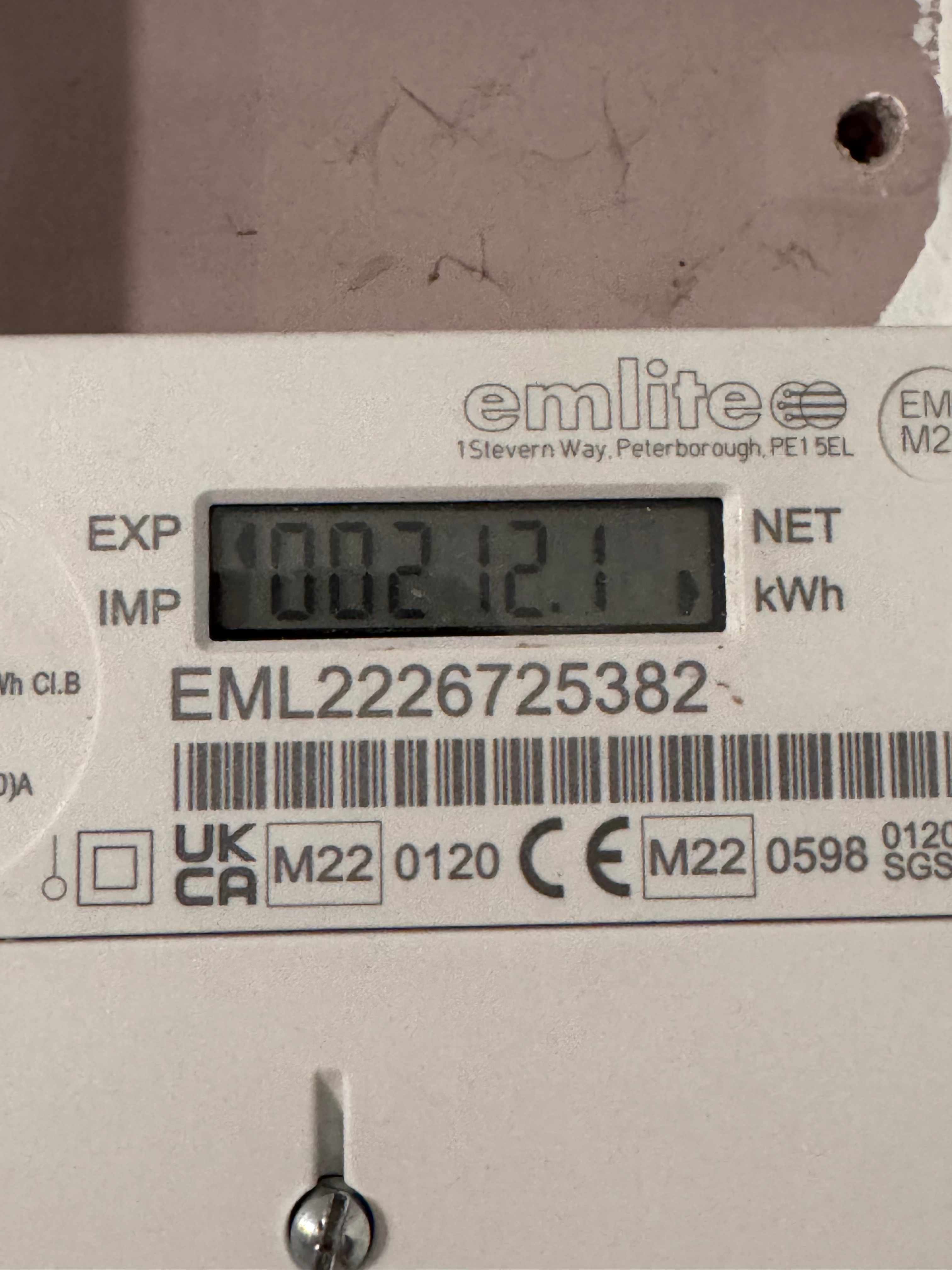
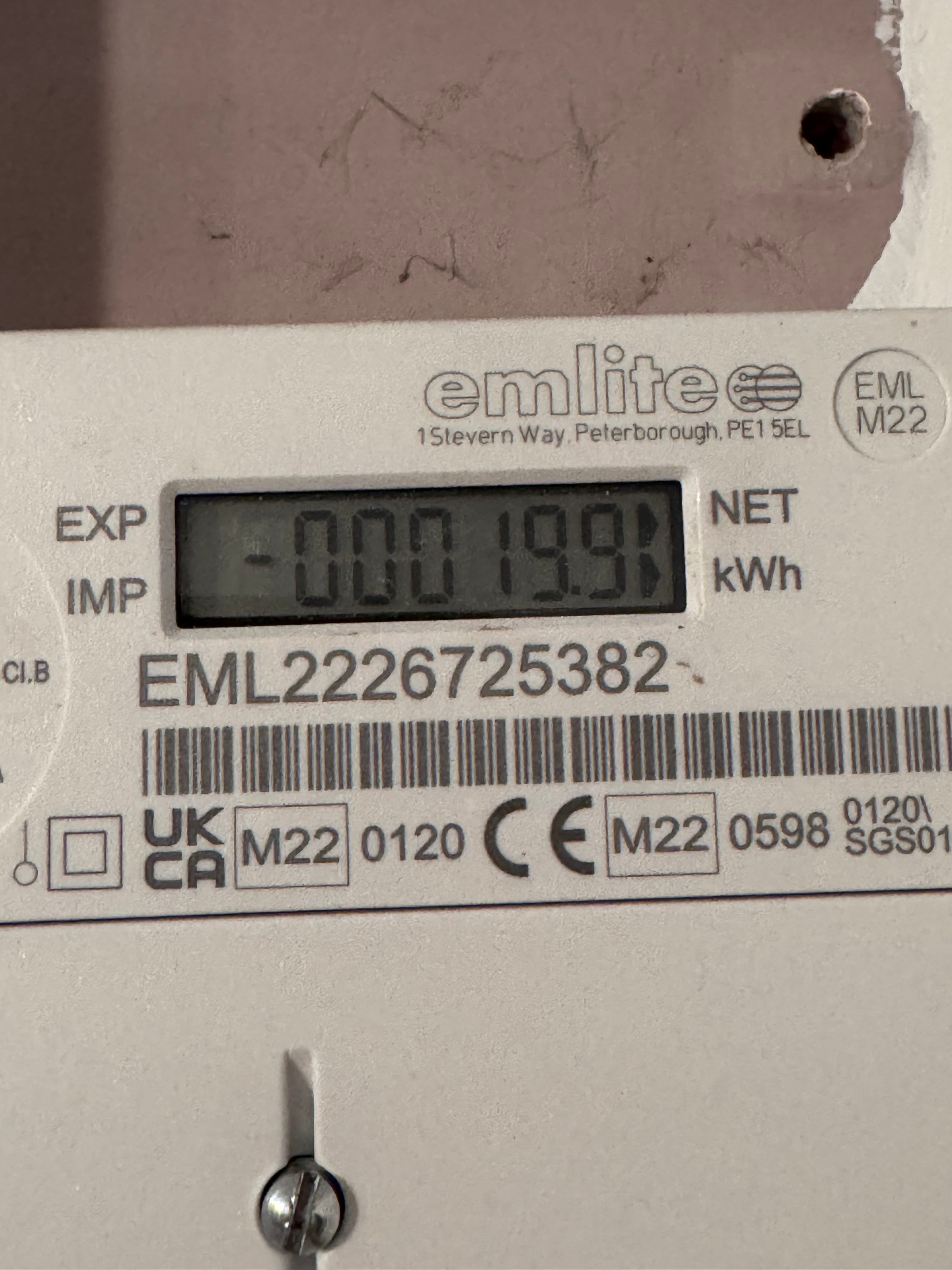
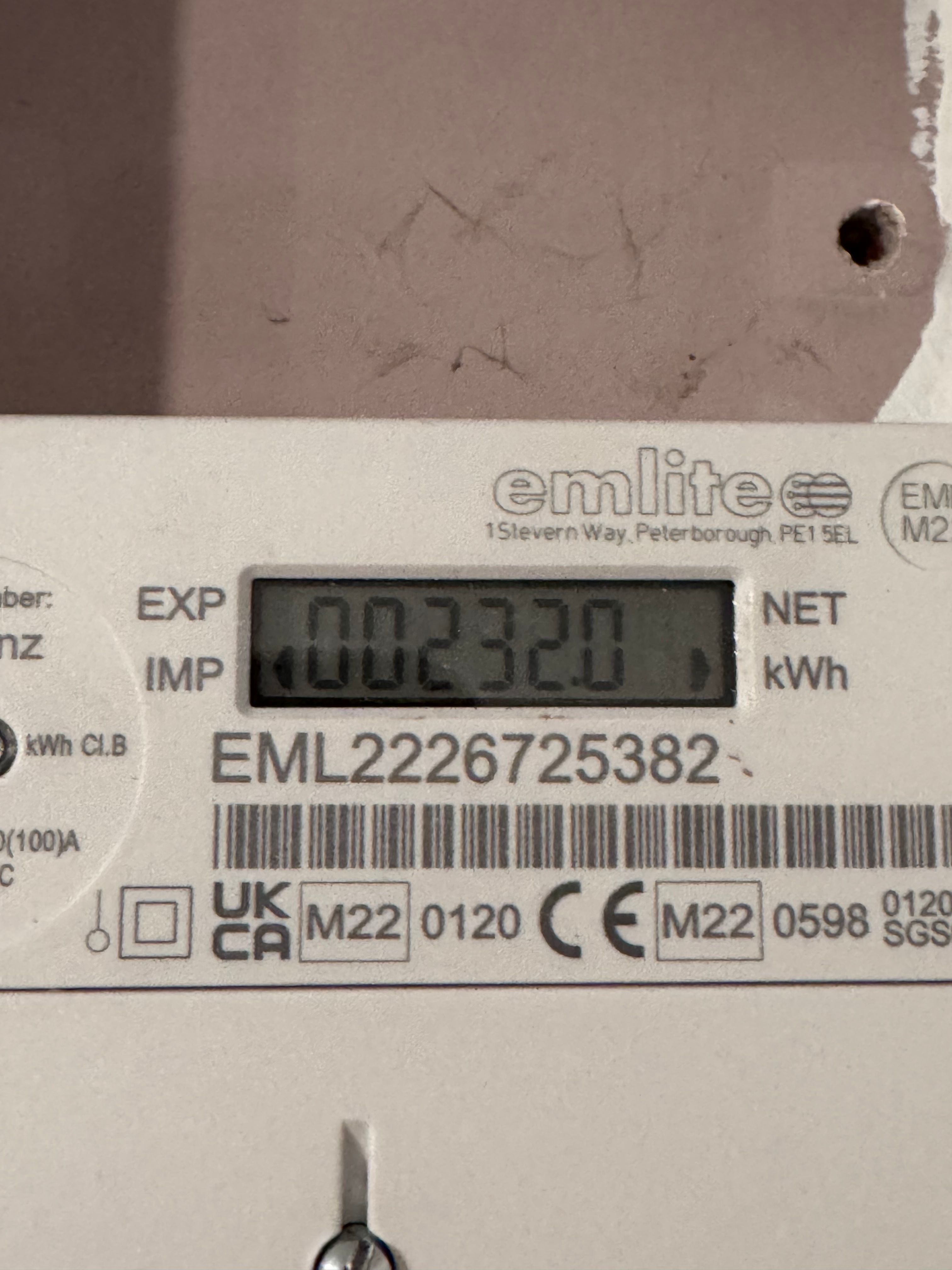
However the meter is showing a negative number and I can’t seem to work out what the solar panels are generating apart from what shows in the EcoFlow app


We charge the batteries up at night using an off peak rate and then any solar during the day tops the batteries up.


am I correct in thinking there should be another meter of sort between the solar panels and inverter just to monitor the generation from The solar panels?


installers seem to think by summer it will change to a positive but that’s no good to me right now when I’ve generated about 30kw of solar 



Best answer by BPLightlog

Actually, the NET meter is normally the correct one to use. It calculates the difference between any import from the grid and your generation. During winter and acknowledging losses in the system, if you are significantly charging overnight and then discharging during the day, it can show negative at this time of year. 
You might just double check with your FIT provider as to which reading they will accept. As I mentioned, normally it’s the NET reading but some want the EXP reading. 
There will be no other meter just for generation on a set up like yours (mine is the same)

79 replies

AstraroyAuthor
Rank 2
January 13, 2025

Amazing thanks for putting my mind at ease 

Newcomer
March 2, 2025

Hi

I joined to reply to this thread! I am in the same situation with an old FIT scheme from 2011. I got my old grid tied inverter replaced by a Hybrid one and I have about 15kwh of battery storage.


The new bi directional meter was fitted end of January and from then until now it’s just showing a net of 9kwh when the battery is at 10% SOC (night)


I have generated approximately 100kwh since the meter was installed. Why isn’t this reflected?


Any ideas?

Newcomer
March 2, 2025

https://sonnenbatterie.co.uk/knowledge/efficiency-and-conversion-losses/


Could this partially explain some of the losses?

BPLightlog
Super User
Super User
March 2, 2025

https://sonnenbatterie.co.uk/knowledge/efficiency-and-conversion-losses/


Could this partially explain some of the losses?

A little. 
Using any batteries means power input never gives the same as output - generally a 10% loss is expected.

Charging batteries from the grid (often during winter months ) can show more input power than output and as a net meter records the difference between import and export (output in this case) , then can result is reduced generation records. 
You need to be careful how/why you use grid to battery charging unless you have a decent off peak tariff to make use of

Bring me Sunshine ~ E&E {Solar PV, Battery Storage, Hybrid EV, ASHP and Home Assistant automation}
Newcomer
March 2, 2025

7p Off peak vs 24p peak. From the net meter numbers going from 10 to 100% SOC overnight which on paper is 13.5kw of battery storage capacity cost 15.5kw of grid AC. So looks like 2kwh gets lost everyday.. That'll soon tot up..

BPLightlog
Super User
Super User
March 2, 2025

7p Off peak vs 24p peak. From the net meter numbers going from 10 to 100% SOC overnight which on paper is 13.5kw of battery storage capacity cost 15.5kw of grid AC. So looks like 2kwh gets lost everyday.. That'll soon tot up..

Yes - FIT was designed just as a generation tariff and not to include what’s know as ‘grey’ energy (battery storage from grid power).

While using grid power during winter to cover the lack of solar is useful, you have to carefully consider the losses and missing generation segment from pure generation

Bring me Sunshine ~ E&E {Solar PV, Battery Storage, Hybrid EV, ASHP and Home Assistant automation}
Newcomer
March 3, 2025

7p Off peak vs 24p peak. From the net meter numbers going from 10 to 100% SOC overnight which on paper is 13.5kw of battery storage capacity cost 15.5kw of grid AC. So looks like 2kwh gets lost everyday.. That'll soon tot up..

Yes - FIT was designed just as a generation tariff and not to include what’s know as ‘grey’ energy (battery storage from grid power).

While using grid power during winter to cover the lack of solar is useful, you have to carefully consider the losses and missing generation segment from pure generation

Agreed


Overanalysing my data for the last 48hrs, I can see losses of 2 to 3kwh in the AC to DC conversation at night and then DC to AC conversion back down the wire.


Being on an old FIT scheme, folks needs to minimise battery charging even if it means you use a bit more grid…..Ideally off peak

Newcomer
March 18, 2025

Hi everyone,

I have read the thread above but am still confused. We have just had a hybrid inverter fitted together with a battery. This coincided with our diary reminder to submit the FIT reading for the quarter. I had a photo of the old generation meter, but no-one explained the new bi-directional meter. I foolishly believed the Exp figure was the one required but my FIT provider came back and said they wanted the Net figure which was a negative amount. They explained it was negative because we were taking more to charge the battery from the grid than we were exporting. We are on a fixed price tariff and not a cheap overnight tariff so there’s no gain in using the grid to charge the battery and as far as I am aware our system is not set up to do that ( and the Fox App seems to confirm that as the graphic display never shows any grid power going to the battery). It seems we are being penalised twice over. Any power I import from the grid I pay for via my normal Smart Electricity Meter. My panels are producing power which I consume in the house and any surplus goes to the battery for later consumption at night. By sending a Net reading it seems to me I am paying to import power from the grid and at the same time this is negating the power/£p I generate from the panels. I thought the FIT procedure was to pay the householder for all the power generated by the panels (as it did on the old meter). Surely the same applies now whether you use all you generate, or whether you divert excess PV power to the battery? It seems by upgrading we have achieved one step forward but taken two steps backwards and are now out of pocket and ever will be.

Newcomer
March 18, 2025

I am with EDF for FIT (a historic thing) and they were quite good explaining that I needed a new meter (something my installer wasn’t aware of) This is due to the fact the old Meter was counting battery discharge as solar. I was also in negative a few weeks back, in part due to blindly charging the batteries to 100% overnight. I have since stopped doing this (I was scheduled to reduce overnight charge to 40% in March) but as has been explained above, the process of charging / discharging and simply being ON means I was losing minimum 2KW a day, sometimes more. This is only 14p of cheap overnight but it’s nearer £1.40 in lost FIT payments. I have therefore ceased all overnight charging. Battery now falls to 10% and hold and will charge purely on solar come what may

In terms of your case, the bi-directional meter doesn’t play tricks


AC Power Exported - AC Power Imported  = Net (The Number you give for FIT)


We had this device installed

https://theecosupermarket.co.uk/product/emlite-eca2-bi-directional-solar-generation-meter/

I found the whole thing a little confusing and it seems I wasn’t the only one, but since changing the way I charge the battery and fully understanding that AC charging the battery WILL result in some losses, you need to work out whether those losses are worthwhile. For me, they simply aren’t. Come winter I will perhaps charge to 40% but I primarily want to keep my FIT ticking over. My generation meter is now + 100 from -3 or so at the start of the month with overnight charging to 100%

I measured Import, Export, Net daily 10pm for 2 or 3 nights and I could see clearly the losses. For example 9kwh of Solar generation only ticked the generation NET meter up by 6kw. Taking the batteries from 10% to 100% should have been 13.5kw but in actual fact the IMPORT meter showed it took 15kw… hopefully you get the pictures. 

Maybe worth looking at your meter reading at the same time daily and compare that to what the inverter is producing to get a sense of what’s going on. I do not feel I am being penalised and my bi directional meter is doing what it’s supposed to. Remember, the meter is ONLY concerned with what goes up to your INVERTER to charge the batteries ONLY. It should be on it’s own dedicated circuit and it should NOT be looking at WHOLE HOUSE AC Import from the grid

Abby_OVO
Community Manager
Community Manager
March 19, 2025

Hey ​@David49 


I’m sorry to hear about this, I did pass your comment over to someone in the team to try and help us get to the bottom of this but they would like some more detail as it’s very hard for them to tell exactly.


I’ve sent you a Private Message to gain some details so they can try to help, you can view your PMs here.

Currently Playing: She's Electric